The interview has been going perfectly. You have given answers with confidence to interview questions relating to your experience, skills and achievements. This sounds like a conversation, and you even begin to think that you made a good impression until the interviewer asks, “Why should I hire you? You feel like all the things you’ve prepared just vanish, and you start to say words like ‘hard-working’, ‘passionate’, or ‘dedicated’. Unfortunately, it’s not just about proving one’s merits as a candidate; it’s about demonstrating what makes oneself the best person for the job and what kind of value one can offer to the organisation.
This isn’t a self-promotion situation. This is your chance to share with the employer how your abilities, experience and strengths are a solution to their challenges. A clear answer will help distinguish you by specifically letting people know how you will fit for the role.
Why Do Interviewers Ask “Why Should We Hire You?”
What Are Interviewers Really Looking For?
Interviewers ask this question to determine whether you can deliver value to their organisation. They want to know if you:
- Can solve the challenges of the role
- Understand the job requirements
- Can clearly communicate your strengths
- Will fit the company culture
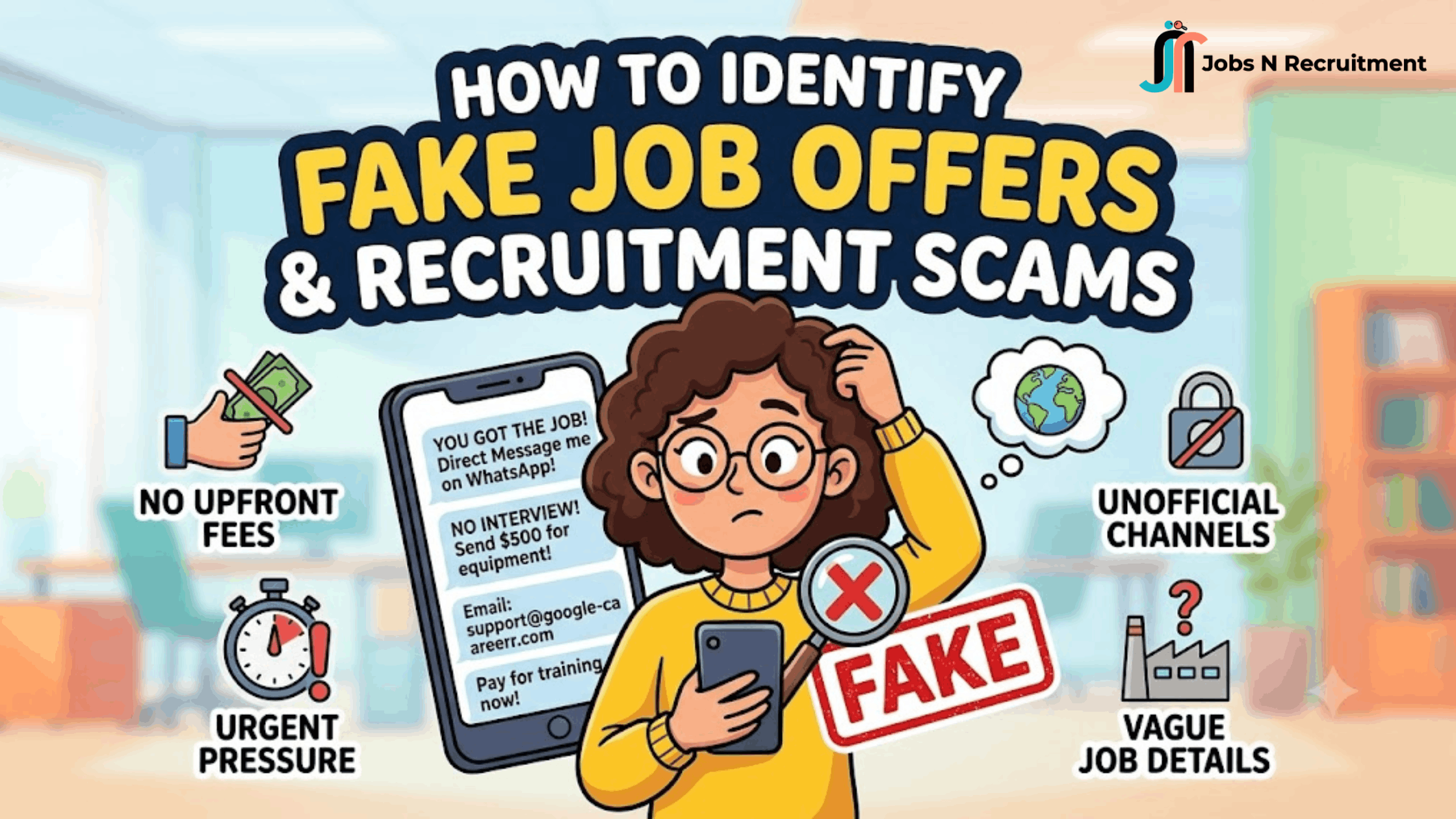
Also Read: How to Identify Fake Job Offers and Recruitment Scams
Do Employers Prefer Confidence or Proof?
Confidence is important, but evidence is what makes your answer credible. Instead of describing yourself with buzzwords, support your claims with:
- Measurable achievements
- Relevant skills
- Successful projects
- Real problem-solving examples
Specific examples help interviewers visualise the impact you can make.
How Should You Structure Your “Why Should We Hire You” Answer?
The VALUE Framework is an easy-to-use model for structuring your response.
V – Value You Bring
Emphasise skills most applicable to the job.
A – Achievements That Prove It
Speak about one measurable achievement that shows your ability.
L – Link Your Experience to the Job
Demonstrate and convey an understanding of the employer’s needs and how they are met by your experience.
U – Unique Strength
Highlight your unique attributes, including any specialised knowledge, certifications, or flexibility.
E – End with Employer Benefit
Conclude by summarising how you will be a benefit to the organisation when you get hired.
The five components of VALUE are: Skills + Proof + Relevance + Differentiator + Employer Benefit

What Should Freshers Say?
How Can Fresh Graduates Show Value Without Work Experience?
As a non-experienced employee, you can show potential through:
- Internships: Provide practical workplace experience and help you understand industry expectations while developing job-specific skills.
- Academic projects: Demonstrate your ability to apply theoretical knowledge, solve problems, and complete tasks through research, teamwork, and analysis.
- Certifications: Show your commitment to learning and validate your expertise in specific tools, technologies, or professional areas.
- Volunteering: Highlights your willingness to contribute while showcasing qualities like teamwork, responsibility, and community involvement.
- Leadership activities: Reflect your ability to manage teams, take initiative, make decisions, and guide others toward achieving goals.
- Transferable skills: Include valuable abilities like communication, adaptability, time management, and problem-solving that can benefit various roles and industries.
Sample Answer
I am starting out in the professional world, but with experience gained from internships and projects at university, I’m a lover of learning, very adaptable and can work well with others; my enthusiasm and drive to learn will allow me to have a positive impact from the start.
What Is the Best Answer for Experienced Professionals?
Experienced candidates should concentrate on measurable achievements, not daily tasks.
Highlight:
- Leadership
- Business impact
- Efficiency improvements
- Industry expertise
Sample Answer
Over the past 5 years, I have held and successfully led cross-functional teams and improved project delivery by 25%. I like to work on projects that can help to solve business problems and improve processes in the organisation. I feel confident I can help your organisation achieve its objective and that my skills and experience will assist you with this.
How Should Career Changers Answer?
For those who are making a career transition, career changers should highlight transferable skills rather than job titles.
Focus on:
- Communication
- Project management
- Adaptability
- Customer service
- Analytical thinking
Sample Answer
I am new to the industry but feel my experience has improved my communication, organisation and problem-solving abilities, and my recent training will get me into your team and make a difference in a short time.
What Should You Say in Different Industries?
The answer should be in terms of the priorities of the role.
Sales: Emphasise revenue generation, customer relations, and meeting the targets.
IT: Emphasise technical expertise, credentials, continuing education and problem-solving.
Customer Service: Focus on communication, empathy, conflict resolution and customer satisfaction.
Marketing: Discuss creativity, campaign outcomes, and analysis and insights into the audience.

What Mistakes Make This Answer Sound Generic?
Are You Using Empty Buzzwords?
Don’t use words like “hard-working”, “passionate”, “dedicated” or “team player” without evidence to back them up. If you’re just using adjectives with no specifics, you are not being credible and are not different from other candidates.
Are You Talking Only About Yourself?
Talk about the importance of connecting answers to employer needs, rather than personal attributes. The ideal interview answer is not solely one that you promote yourself; it’s one that clearly shows how your background and skills can be a direct answer to the company’s issues.
Are You Giving the Same Answer to Every Company?
Be sure to make it personal and to always demonstrate research on the company in your responses to avoid sounding like a generic template. A good explanation that is specifically for the organisation’s mission, values and goals demonstrates that you are not just repeating a script.
How Can You Personalise Your Answer for Any Company?
Before each interview, learn about the company’s:
- Mission and values
- Products or services
- Recent achievements
- Company culture
- Job description
- Business goals
The more you know about this, the more you can tailor your answer to the employer’s needs.
How Can Jobs N Recruitment Help You Understand What Employers Are Looking For?
The first step in making a great interview answer is to be aware of what employers are looking for. As an international job portal connecting job seekers with businesses looking for talent, Jobs N Recruitment enables you to:
- Search for global job opportunities in different industries and places
- Analyse job descriptions in depth to determine the technical skills and soft skills required by employers
- Analyse and identify common hiring needs between companies
- Keep up to date on job trends with active job postings
This information will be useful in shaping your response to meet the expectations of the employer and job position you are seeking.
Conclusion
There is one right answer to the question, “Why should we hire you?” and it’s never a scripted answer. It is an individualised value proposition that is based on evidence, meets the employer’s needs, and is presented with assurance. An authentic, memorable and relevant response can be developed by following the VALUE framework and doing research on each employer.
To prepare even further for the interview, take a look at the jobs and recruitment interview resources, career insights and international job opportunities.
Frequently Asked Questions
What is the best answer to “Why should we hire you?”
The strongest answer highlights your relevant skills, supports them with measurable achievements, and explains how you will benefit the employer.
How long should my answer be?
Aim for 60 to 90 seconds to keep your response concise and engaging.
Can freshers answer “Why should we hire you?” effectively?
Yes. Freshers can highlight internships, projects, certifications, leadership experiences, and their willingness to learn.
Should I mention my achievements?
Yes. Quantifiable achievements make your answer more credible and memorable.
What should I avoid saying?
Avoid unsupported buzzwords, exaggeration, and using the same answer for every interview.
How do I tailor my answer for different companies?
Research the company’s values, business goals, and job description, then align your experience with those priorities.
Can I use the same answer for every interview?
No. Personalising your response for each employer makes it far more effective.
How can I practise my interview answers?
Practise speaking your answers aloud, refine them using feedback, and customise them based on real job descriptions.